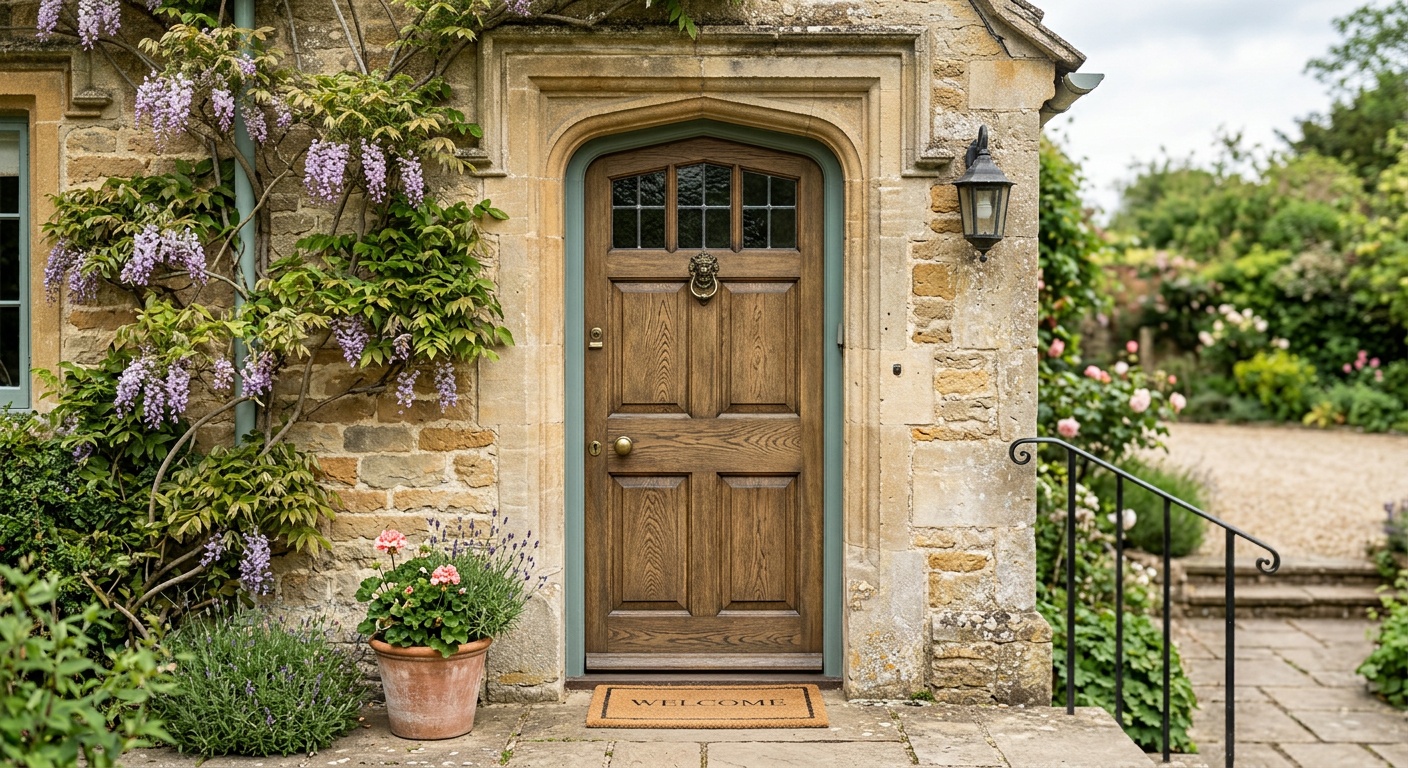
Front Entrance Door Design Ideas to Boost Raleigh Curb Appeal
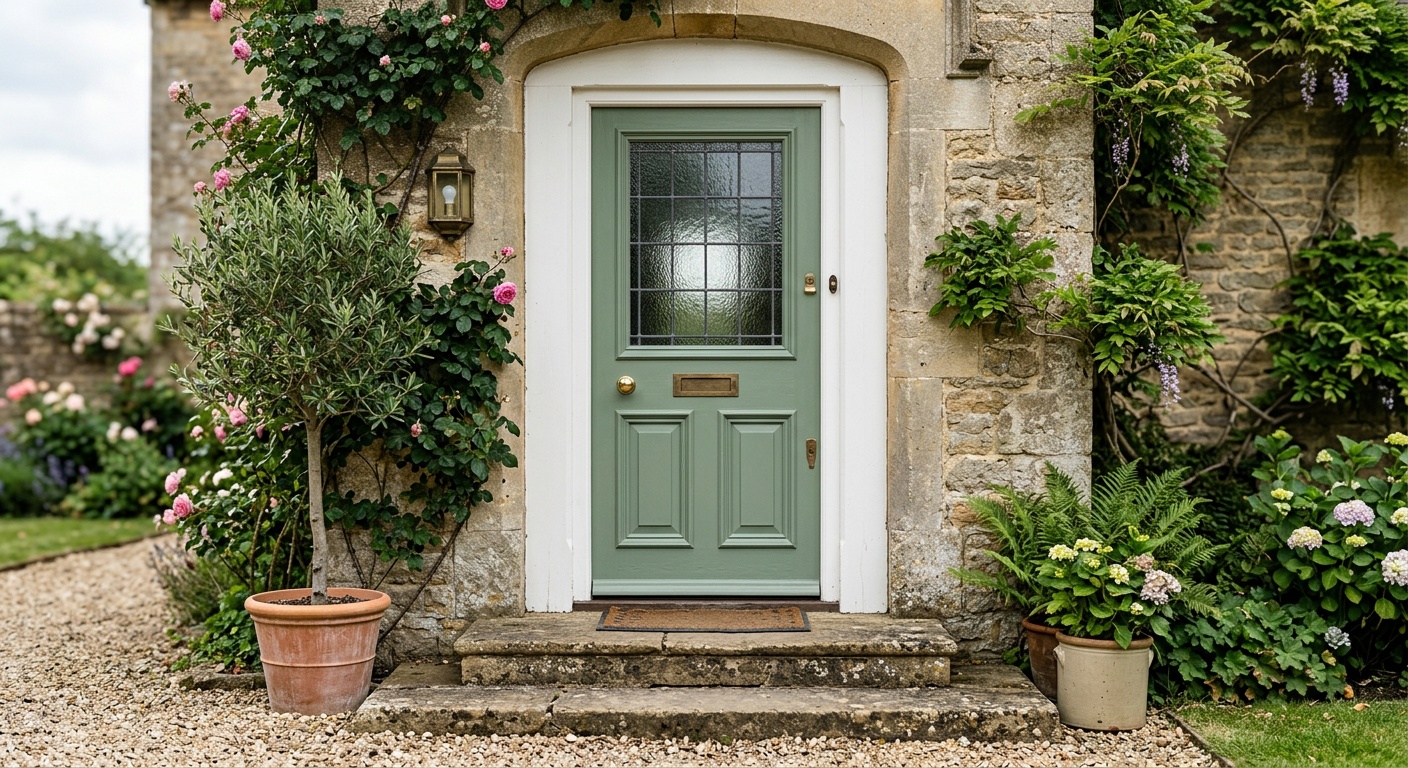
Front Entrance Door Design Ideas to Boost Raleigh Curb Appeal
Reading time: 9 minutes
Your front door does more talking than you might realize. Before a single showing, before a neighbor’s compliment, before you even step outside for coffee, that door is broadcasting a message about your home. In Raleigh’s competitive 2026 housing market—where median home prices in neighborhoods like Five Points and North Hills continue climbing—that message matters more than ever.
Let’s dig into what actually works for Raleigh homes, why it works, and how you can make smart, budget-conscious decisions that pay off in both daily enjoyment and resale value.
Table of Contents
- Why Your Front Door Is Raleigh’s Best Curb Appeal Investment
- Design Styles That Match Raleigh’s Architecture
- Color Choices Making an Impact in 2026
- Materials: What Actually Survives Raleigh’s Climate
- Hardware and Lighting Details That Elevate Everything
- Common Mistakes Homeowners Make
- Cost-to-Value Comparison
- FAQs
- Your Roadmap Forward
Why Your Front Door Is Raleigh’s Best Curb Appeal Investment
Here’s the straight talk: a front door replacement consistently ranks among the highest return-on-investment home improvement projects nationally, and Raleigh is no exception. According to the 2026 Remodeling Impact Report data trends, steel entry door replacements recover well over 100% of project cost at resale in mid-Atlantic and Southeastern markets, while fiberglass options recoup close to 90%.
But the financial return is only part of the story. Realtors across Wake County consistently note that buyers form an emotional impression within the first eight seconds of approaching a home. A tired, faded, or mismatched door undercuts everything else you’ve done—fresh landscaping, new paint, a manicured lawn—because it’s the focal point of the entire facade.
Quick Scenario: Imagine two identical brick ranch homes in Cary going up for sale the same week. One has a builder-grade white door with a dented storm door bolted in front. The other has a deep navy fiberglass door with brushed-brass hardware and a simple wood-tone porch update. Which one gets more foot traffic at the open house? The design difference costs a few hundred dollars but shapes buyer perception before anyone crosses the threshold.
Design Styles That Match Raleigh’s Architecture
Raleigh’s housing stock is wonderfully varied—Craftsman bungalows in Boylan Heights, Colonial Revival homes in Hayes Barton, mid-century ranches in North Hills, and a wave of modern farmhouse new builds in Wake Forest and Apex. Your door style should respect that architectural DNA rather than fight it.
Craftsman and Bungalow Homes
For homes with deep front porches and exposed rafter tails, a solid wood door with a single large glass panel near the top feels authentic. Mahogany or fir stained in warm honey or espresso tones complements the natural materials already present. Avoid ornate glass patterns here—simplicity is the whole point of Craftsman design.
Colonial and Traditional Homes
Symmetry rules in neighborhoods like Hayes Barton and Country Club Hills. A six-panel door in a classic color, flanked by matching sidelights and topped with a transom window, honors the formal proportions of these homes. Black, hunter green, and deep red remain reliable, timeless choices.
Modern Farmhouse and Contemporary Builds
New construction throughout Wake Forest, Fuquay-Varina, and parts of Apex leans heavily modern farmhouse. Think black steel-frame doors with clear glass, or solid doors with minimal vertical paneling in matte black or charcoal. Clean lines and matte black hardware finish the look.
Color Choices Making an Impact in 2026
Paint color is the single cheapest, highest-impact change you can make. Sherwin-Williams and Benjamin Moore both reported surges in “grounded” deep tones for exterior doors heading into 2026, moving away from the ultra-bright statement colors popular a few years back.
Colors currently trending among Raleigh homeowners and local painters:
- Deep forest green – pairs beautifully with red brick, which covers a huge share of Raleigh’s inner-loop homes.
- Charcoal and soft black – nearly universal, works with brick, siding, or stone.
- Warm terracotta – a rising favorite in Southern markets, especially on farmhouse and craftsman styles.
- Muted navy – a safer alternative to black that still reads as bold without feeling severe.
- Creamy white or “greige” – ideal for homes wanting a softer, more coastal-cottage feel, popular in newer Holly Springs developments.
Pro Tip: Test any color against your actual brick or siding in both morning and evening light before committing. Raleigh’s humidity and afternoon sun can shift how a color reads compared to the paint chip in a hardware store.
Materials: What Actually Survives Raleigh’s Climate
Raleigh sits in a humid subtropical zone with hot, moisture-heavy summers and occasional ice events in winter. That combination is brutal on certain door materials, so choosing wisely upfront saves headaches later.
Fiberglass has become the default recommendation from most local contractors, and for good reason—it resists warping, doesn’t rot, and can be finished to mimic real wood grain convincingly. Steel offers excellent security and value but can dent and, in coastal-adjacent humidity, may need more vigilant rust-prevention on lower-end models. Solid wood remains the gold standard for historic districts like Oakwood, where design guidelines often require it, but it demands annual maintenance—resealing and repainting—to withstand Raleigh’s humidity swings.
Weatherproofing Considerations Specific to the Triangle
Beyond material choice, proper weatherstripping and a quality threshold matter enormously here. Summer storms roll through fast and hard, and a poorly sealed door lets in both moisture and the energy bill spikes that come with it. Duke Energy’s regional data has repeatedly flagged entry doors and windows as top sources of residential air leakage in Piedmont-area homes.
Hardware and Lighting Details That Elevate Everything
A great door with cheap hardware looks unfinished. A modest door with thoughtful hardware and lighting can look custom. Matte black and aged brass are the two dominant finishes right now, and mixing metals intentionally—black hardware with brass house numbers, for instance—has become a favored designer move in 2026 renovations across the Triangle.
Don’t overlook the porch light itself. Warm-toned LED sconces flanking the door, sized appropriately to the door’s height (roughly one-third the door’s height is a safe rule of thumb), make an enormous nighttime difference for both aesthetics and safety.
Common Mistakes Homeowners Make
Well, here’s where good intentions go sideways. Three mistakes show up repeatedly on Raleigh homes:
1. Ignoring scale. A door that’s proportionally too small for a large porch entry looks awkward no matter how nice the finish. 2. Mismatched hardware finishes scattered across the door, mailbox, and light fixtures create visual noise instead of cohesion. 3. Skipping the storm door upgrade. An old, foggy storm door can completely obscure a beautiful new entry door—if you keep one, invest in a clear, low-profile full-view model.
Cost-to-Value Comparison
| Door Type | Avg. Cost (Installed) | Est. Resale Recoup | Maintenance Level | Best Fit |
|---|---|---|---|---|
| Steel | $1,200–$2,000 | 100–105% | Low | Budget-conscious resale projects |
| Fiberglass | $2,000–$4,500 | 85–90% | Low | Most Raleigh homeowners |
| Solid Wood | $2,800–$7,000+ | 70–80% | High | Historic districts (Oakwood, Boylan Heights) |
| Wood-Grain Composite | $1,800–$3,200 | 80–85% | Medium | Craftsman and farmhouse styles |
Visualizing Homeowner Priorities in 2026
Recent regional remodeling surveys asked Triangle-area homeowners what mattered most when choosing a new front door. Here’s how priorities stacked up:
FAQs
What door color adds the most value in Raleigh specifically?
There’s no single “magic” color, but deep, grounded tones—forest green, charcoal, and muted navy—consistently test well with buyers because they pair with Raleigh’s dominant brick and neutral siding palettes. Bright or trendy colors can limit buyer appeal if they clash with the home’s existing exterior tones.
Do I need a special permit to replace my front door in Raleigh?
Standard door replacements typically don’t require a permit in most Raleigh neighborhoods, but homes within designated historic districts like Oakwood or Boylan Heights often require Historic District Commission approval for exterior changes, including door style and color. Always check with the City of Raleigh’s planning department before starting work in these zones.
How long does a quality fiberglass door actually last in this climate?
A well-installed fiberglass door with proper weatherstripping typically performs reliably for 20 to 30 years in Raleigh’s climate, significantly outlasting most wood doors without refinishing and resisting the humidity-driven warping that plagues lower-quality materials.
Your Roadmap Forward
Ready to turn your entrance into your home’s best feature instead of an afterthought? Here’s your practical next-step checklist:
- Assess your architecture first. Match door style to your home’s era before falling in love with a color or trend.
- Test paint colors in real light against your actual brick or siding, morning and evening, before ordering paint.
- Prioritize fiberglass or steel unless you’re in a historic district requiring wood, given Raleigh’s humidity demands.
- Upgrade hardware and lighting together so finishes feel intentional rather than mismatched.
- Check historic district rules early if you live in Oakwood, Boylan Heights, or similar protected neighborhoods.
As Raleigh’s housing market keeps rewarding move-in-ready, well-styled homes, small architectural details like the front door are increasingly where smart homeowners invest first. What message is your front door sending right now—and is it the one you actually want your neighbors, guests, and future buyers to receive?