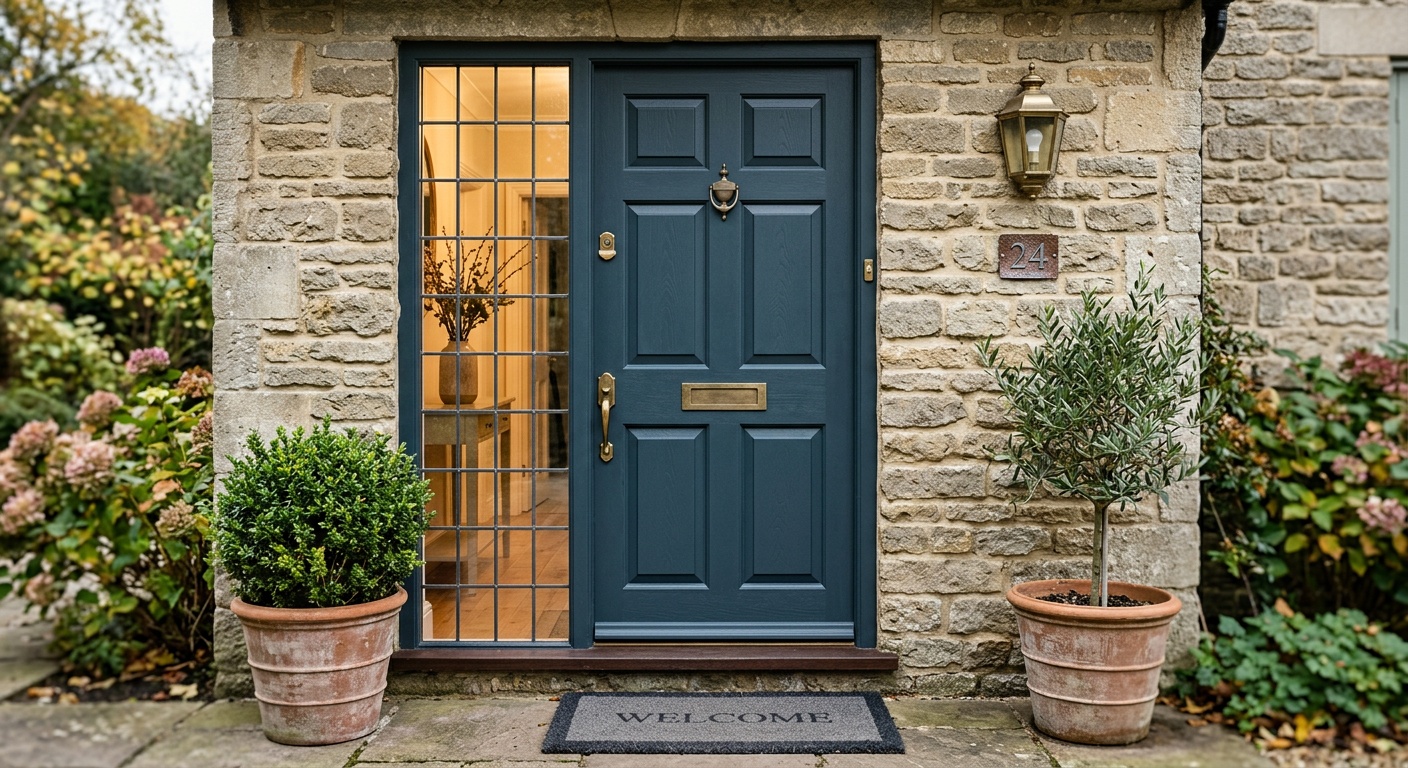
Financing Options for New Entry Doors and Garage Doors in Raleigh
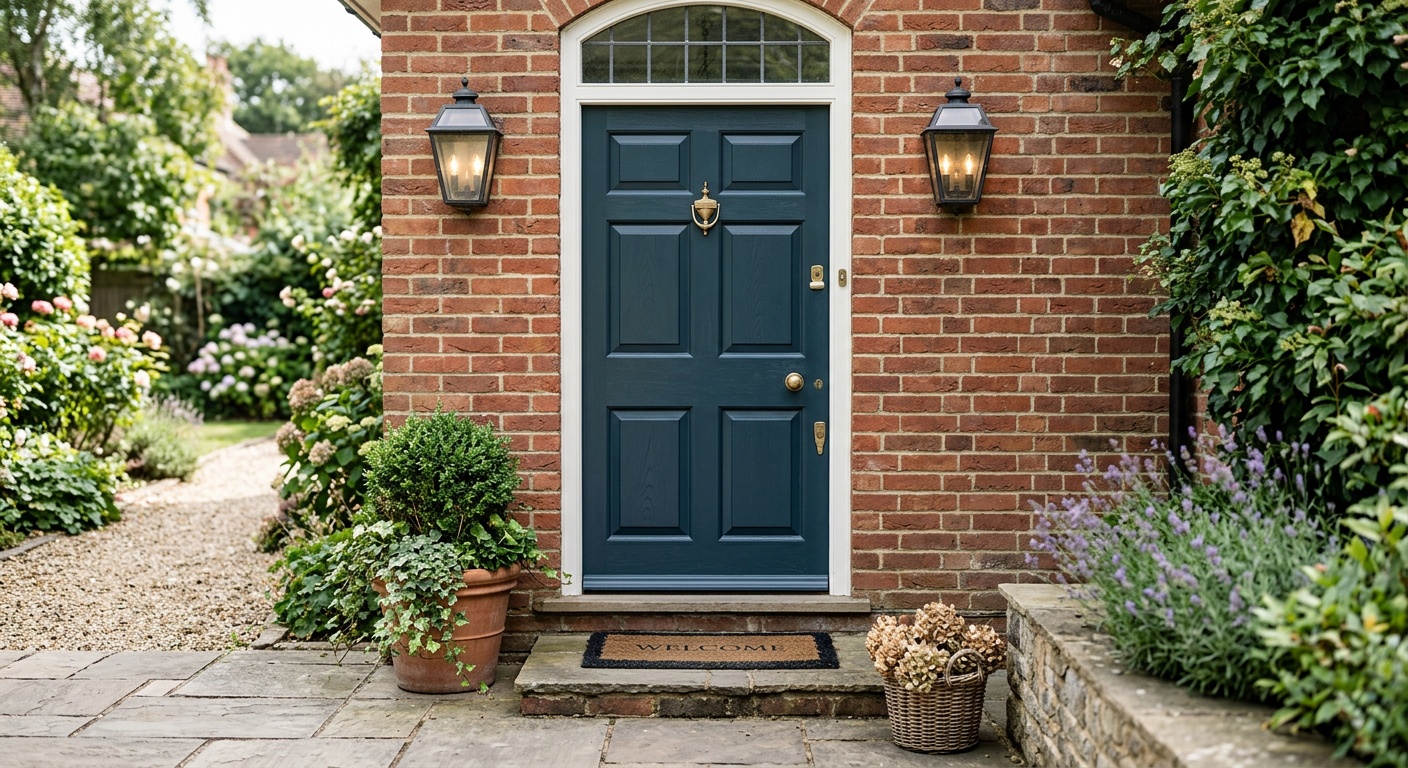
Financing Options for New Entry Doors and Garage Doors in Raleigh: A 2026 Homeowner’s Guide
Reading time: 9 minutes
If your entry door is swollen shut from last summer’s humidity or your garage door sounds like a dying robot every time it opens, you’re probably weighing a familiar question: how do you pay for it without draining your savings account? In Raleigh’s 2026 housing market, where median home renovation budgets have climbed alongside material costs, financing has become less of a luxury and more of a practical necessity for most homeowners.
This guide breaks down exactly what’s available to you—from dealer financing to home equity products—so you can make a decision based on real numbers, not guesswork.
Table of Contents
- Why Financing Matters Right Now
- What New Doors Actually Cost in Raleigh Today
- Your Main Financing Routes
- Comparing the Options Side-by-Side
- Real Raleigh Scenarios
- Common Challenges (and How to Dodge Them)
- FAQs
- Your Door Upgrade Roadmap
Why Financing Matters for Raleigh Homeowners Right Now
Here’s the straight talk: entry door and garage door replacement costs haven’t just crept up—they’ve jumped. Steel and composite material prices remain elevated into 2026, and skilled installation labor across the Triangle is in short supply, pushing quoted prices 12-18% higher than they were just three years ago, according to regional contractor associations tracking Wake County renovation trends.
At the same time, Raleigh’s home values have kept climbing, which means many homeowners are sitting on equity they haven’t tapped. That combination—rising project costs plus available home equity—is exactly why financing conversations are happening more often at the kitchen table.
What New Doors Actually Cost in Raleigh Today
Before financing makes sense, you need a realistic price target. In 2026, Raleigh homeowners are typically seeing:
- Entry doors: $1,200–$4,500 installed, depending on material (fiberglass vs. solid wood vs. steel) and whether you’re adding sidelights or smart locks.
- Garage doors: $1,800–$6,000 installed, with insulated steel and carriage-style wood-composite doors sitting at the higher end.
- Smart garage door openers with battery backup: an additional $350–$700, increasingly requested after several ice storms knocked out power across North Raleigh last winter.
“Most of our Raleigh clients underestimate installation complexity, not the door itself,” notes a project estimator at a Triangle-based door installation firm. “Framing repairs, especially on homes built before 2000, can add $500 or more to a job that looked simple on paper.”
Your Main Financing Routes
There isn’t one “best” way to finance a door project—there’s a best way for your situation. Let’s walk through the four routes Raleigh homeowners rely on most.
Manufacturer and Retailer Financing Plans
Big-box retailers and local door specialists in Raleigh commonly offer promotional financing through partner lenders. These plans often advertise 0% interest for 12-18 months, which sounds fantastic—until you miss the payoff window. Deferred-interest plans typically retroactively charge interest from the purchase date if the balance isn’t cleared in full, and rates after the promotional period can exceed 28% APR.
Best for: Homeowners who are confident they can pay off the balance within the promotional window and want a fast, in-store approval process.
Home Equity Loans and HELOCs
With Raleigh home values still strong in 2026, home equity lines of credit (HELOCs) remain one of the most cost-effective options for larger combined projects—say, replacing both an entry door and a garage door at once. Local credit unions serving Wake County have been quoting HELOC rates in the 7.5%-9% range this year, considerably lower than unsecured personal loans or credit cards.
The tradeoff? Your home secures the loan, and there’s more paperwork—appraisals, title checks, and closing costs that can take two to four weeks.
Personal Loans and Credit Cards
Unsecured personal loans through banks or online lenders skip the home-as-collateral requirement entirely. Rates in 2026 for borrowers with good credit (680+) are landing around 9%-13%, while credit cards, unless you’re chasing a 0% intro APR card, sit much higher—often 20%+ once promotional periods end.
Best for: Smaller, single-door projects where speed matters more than the lowest possible rate.
PACE and Local Energy-Efficiency Programs
North Carolina doesn’t have statewide residential PACE financing, but Raleigh homeowners installing insulated, energy-efficient entry or garage doors may still qualify for utility rebates through Duke Energy’s efficiency programs, plus federal energy tax credits for qualifying insulated doors under current IRS guidelines. These won’t cover the full project but can meaningfully offset the price when stacked with a financing plan.
Comparing the Options Side-by-Side
| Financing Option | Typical APR (2026) | Approval Speed | Collateral Required | Best Use Case |
|---|---|---|---|---|
| Retailer Promo Financing | 0% intro, then 25-28% | Same day | None | Short-term payoff plans |
| HELOC | 7.5%-9% | 2-4 weeks | Home equity | Large, multi-door projects |
| Personal Loan | 9%-13% | 1-3 days | None | Mid-size single projects |
| Credit Card (no promo) | 20%-26% | Instant | None | Small emergency repairs |
| Rebate + Financing Combo | Varies (offset cost) | Weeks (rebate processing) | None | Energy-efficient upgrades |
Visualizing the Real Cost Difference
To make the interest rate gap tangible, here’s how a $4,000 door project’s total repayment cost compares across financing types over a 3-year term (principal plus interest).
Real Raleigh Scenarios
Scenario 1 — The North Raleigh Storm Repair: After hail damage last spring, a homeowner near Falls of Neuse needed both a garage door and entry door replaced within two weeks for insurance coordination. She used retailer promo financing for speed, then transferred the balance to a HELOC once the paperwork cleared, cutting her effective interest cost by more than half.
Scenario 2 — The Downtown Bungalow Upgrade: A couple renovating a 1940s bungalow near Five Points wanted a historically appropriate wood entry door costing $3,800. They chose a personal loan because they didn’t want a lien tied to a relatively small project, prioritizing simplicity over the marginally lower HELOC rate.
Scenario 3 — The Energy-Conscious Remodel: A family in Cary-adjacent West Raleigh combined a Duke Energy rebate with a low-interest personal loan for an insulated garage door, reducing their net financed amount by nearly $400 while also lowering monthly heating costs.
Common Challenges (and How to Dodge Them)
Challenge 1: Deferred-interest traps. Many homeowners assume “0% for 18 months” means the clock resets if they’re a few days late. It doesn’t. Set a calendar reminder 60 days before the promo ends and pay aggressively toward the end of the term.
Challenge 2: Underestimating installation add-ons. Framing repairs, disposal fees, and code-required upgrades (like updated weatherstripping) can add hundreds to a quote. Ask contractors for a “worst-case” estimate upfront so your financing amount has breathing room.
Challenge 3: Choosing collateral-based loans for small jobs. A HELOC’s lower rate isn’t worth it if you’re only financing $1,500. The closing costs and time investment outweigh the interest savings on small projects.
Frequently Asked Questions
Is it better to finance an entry door and garage door together or separately?
Bundling both projects into a single HELOC or personal loan usually saves money on origination fees and contractor scheduling, especially if you’re using the same Raleigh installer for both jobs. Separate financing only makes sense if the projects are happening months apart.
Do Raleigh homeowners qualify for any government-backed financing for these upgrades?
There’s no dedicated federal loan program for doors specifically, but energy-efficient insulated doors may qualify for federal tax credits and Duke Energy rebates in 2026. These reduce your out-of-pocket cost but aren’t standalone financing—you’ll still likely pair them with a loan or card.
What credit score do I need for the best rates?
Lenders in the Raleigh market generally reserve their lowest personal loan and HELOC rates for borrowers with scores above 720. Scores in the 650-719 range typically see rates 2-4 points higher, while retailer financing approval thresholds tend to be more lenient but come with steeper long-term costs.
Your Door Upgrade Roadmap
Financing a new entry door or garage door doesn’t have to feel like a gamble. Here’s your practical next-step checklist:
- Get three quotes from Raleigh-area installers before choosing a financing amount—pricing varies more than most homeowners expect.
- Match the loan type to project size: unsecured loans for smaller single-door jobs, HELOCs for combined or larger projects.
- Calendar your promo payoff date immediately if you use retailer financing—write it somewhere you’ll actually see it.
- Ask about rebates for insulated or energy-efficient doors before signing any financing agreement.
- Reassess your home’s equity position annually, since Raleigh’s rising property values may open better refinancing terms than last year’s.
As material costs and interest rates continue shifting through 2026 and into 2027, the homeowners who come out ahead won’t be the ones who found a magic discount—they’ll be the ones who matched the right financing tool to the right project. So, what’s stalling your project right now: the cost, or just not knowing which option fits your situation? Now you know enough to pick up the phone and get real numbers.